Technology Is Making Acquire A Driving License Better Or Worse?


The Ultimate Guide to Acquiring Your Driving License
Getting a driving license is a rite of passage for many people around the globe. It represents self-reliance, duty, and the ability to browse the world by yourself terms. Whether you are a teenager eager to strike the road or an adult wanting to welcome brand-new opportunities, understanding the process of acquiring a driving license is vital. This article aims to guide you through the required actions and considerations for getting your driving license.
Action 1: Understand the Requirements
The requirements for obtaining a driving license can vary considerably from one area to another. Familiarize yourself with your local Department of Motor Vehicles (DMV) or equivalent authority's policies. Normally, requirements may consist of:
Age: Most locations need you to be a minimum of 16 years old to apply for a student's permit and 18 to obtain a complete license.
Identification: A government-issued ID or birth certificate is typically required to prove your identity and age.
Residency: You might need to supply evidence of residency in the jurisdiction where you are applying.
more helpful hints : A basic vision test is frequently required to guarantee you can see well enough to drive safely.
Step 2: Obtain a Learner's Permit
Before you can acquire a complete driving license, you will typically need to start with a student's permit. This enables you to practice driving under certain limitations, usually while being monitored by a certified grownup. The actions to obtain a student's permit generally include:
Pass a Written Test: Many places require you to take a composed or computer-based test covering the guidelines of the road and traffic indications. Studying your state's driver's handbook can be exceptionally useful in preparing for this exam.
Application Fees: Be prepared to pay a small application cost to acquire your learner's license.
Acquire Supervised Driving Hours: There might be a minimum variety of practice hours you require to log with a licensed driver, typically varying from 20 to 50 hours.
Step 3: Enroll in Driver Education
Though not always mandatory, enrolling in a driver education course can be extremely beneficial. These courses typically cover:
Theory Lessons: Understanding traffic laws, safe driving practices, and how to manage numerous driving situations.
Behind-the-Wheel Training: Practical driving sessions with a certified instructor, which can help develop your confidence and skills.
Numerous states provide online courses, in-person classes, or a combination of both. Contact your DMV to see what choices are readily available.
Step 4: Practice, Practice, Practice
When you have your learner's authorization, it's vital to get as much driving practice as possible. Use the time to end up being comfortable with:
Parallel Parking: An ability that typically shows up in testing.
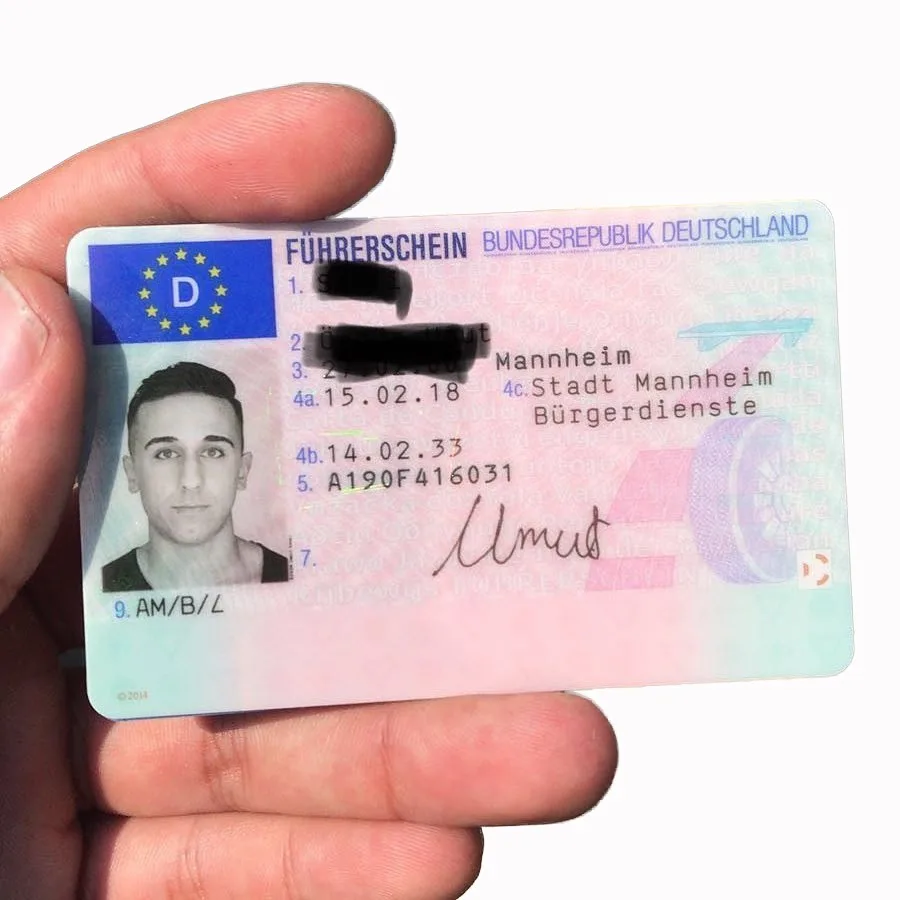
Navigation: Understanding how to read maps or utilize navigation gadgets.
Driving in Different Conditions: Gain experience driving in numerous weather and at different times of day.
Aim to practice a range of driving scenarios, consisting of city driving, highway driving, and rural driving to develop your skills.
Step 5: Schedule Your Road Test
When you feel positive in your driving capabilities and have completed the required practicing hours, you can schedule your roadway test. This test generally consists of:
Pre-Drive Inspection: You may be asked to show your knowledge of the car's controls and perform a safety check.
Driving Test: An inspector will accompany you in the car, assessing your driving skills, consisting of adherence to traffic laws, roadway positioning, and total control of the automobile.
Make sure to examine what paperwork you need to bring to the test, such as your learner's license and proof of completed driver education, if relevant.
Step 6: Pass the Road Test
If you effectively pass your roadway test, congratulations! You will get your driving license. Nevertheless, if you do not pass, don't be prevented. Many places permit you to retake the test after a waiting period, giving you the possibility to practice more and improve your skills.
Step 7: Know the Post-License Responsibilities
When you get your driving license, it's vital to comprehend your responsibilities as a driver. This consists of:
Adhering to Traffic Laws: Always follow speed limitations, wear your seatbelt, and prevent distractions while driving.
Insurance: Most regions require motorists to have car insurance coverage, so make certain to understand what protection you need.
Renewal: Familiarize yourself with the process for restoring your license, which usually requires to be done every few years.
Conclusion
Acquiring your driving license is not practically passing tests; it's about fostering a long-lasting attitude of obligation and safety. By following these actions and appreciating the guidelines of the roadway, you'll not only get the liberty of the open roadway but likewise add to safer driving environments for everybody. Pleased driving!